
I would not call myself much of a reader, and the process itself does not come easily to me. I am not one of those people who can sit down and finish a book in one go without looking up. Even spending more than an hour reading is not really my idea of time off.
That said, I consider books one of the most effective ways to pick up knowledge and somebody else’s experience — though I do sometimes wish there were less padding in them. I prefer paper books: they let me switch off and take a break from screens.
In this article I want to go through the books I read over the past year and share what I took away from them.

Reality Transurfing
This one took me about eight months, pushed through on “I don’t want to” and “I can’t”. To my mind it is one of those books whose substance would fit on a few sheets of A4.
The main thing I took from it: lower excess importance, and turn wanting into intent.

The Swordless Samurai
Read it in one sitting. A genuinely interesting and inspiring story. It gives you a shot of motivation, strengthens your belief in yourself, nudges you to build on your strengths and teaches you to stay grateful once success arrives.

Marketing 6.0
Plenty of people told me to read Philip Kotler to get a handle on marketing. I picked the wrong book, though: this one is more about the future of marketing and new ways of engaging customers.
Augmented reality, metaverses and working with the senses — all of that is too early for me to apply. And the topic itself feels very narrow. First I ought to get the basics of marketing straight.
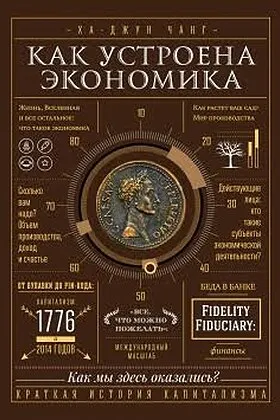
Economics: The User’s Guide
The first part I found very interesting: it explains how we arrived at what we have today. I even went back to rewatch videos and look up historical facts about events from roughly 1900 onwards.
After that it got harder. Keeping the different schools of economics and the differences between them in my head was tough, as was making sense of the indicators and what exactly they measure. I will have to come back to those details more than once as the need arises.
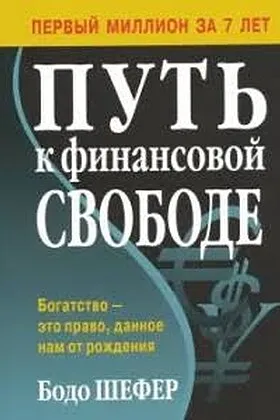
The Road to Financial Freedom
A light motivational read that reminds you to look after your personal finances and build capital. It points your thinking in the right direction overall, though the focus on Western realities comes through strongly. That said, I did not find much practical information in it for myself.

Meditations
To my mind the book is written in a difficult, unnatural language that is hard to take in. It has to be read slowly and thoughtfully: turning over what the author says and deciding for yourself what you agree with and what you do not.
Some of it I understood, some of it I did not. Some of it I agree with, some of it I do not. In the end I came to the conclusion that books on psychology, philosophy and esoterics do not interest me right now. At least for the time being.